Your Cancer Is Our Challenge
Feeling supported
Finding your strength: practical resources and peer support
Our survey1 revealed a profound need for support.
Despite 91% of treated patients feeling they received the best treatment possible for their gynaecologic cancer:
73% of patients
did not feel empowered to overcome their gynaecologic cancer diagnosis.
~20% of patients
felt no one understood their personal experience.
We want you to know that you are not alone.
We believe in the power of community and the importance of practical tools and resources to help you feel more supported and empowered.
Steps for your well-being
The experience through ovarian or endometrial cancer treatment can be challenging. Here are some steps you can take to nurture your well-being and progress forward:
- Prioritise healthy lifestyle choices: small steps can make a big difference.
- Reach out for support: you don't have to carry this burden alone.
- Allow yourself to feel: it's okay to experience a range of emotions.
- Find a routine: structure can bring comfort and a sense of normalcy.
- Maintain meaningful connections: lean on loved ones and build new support networks.

$Heading
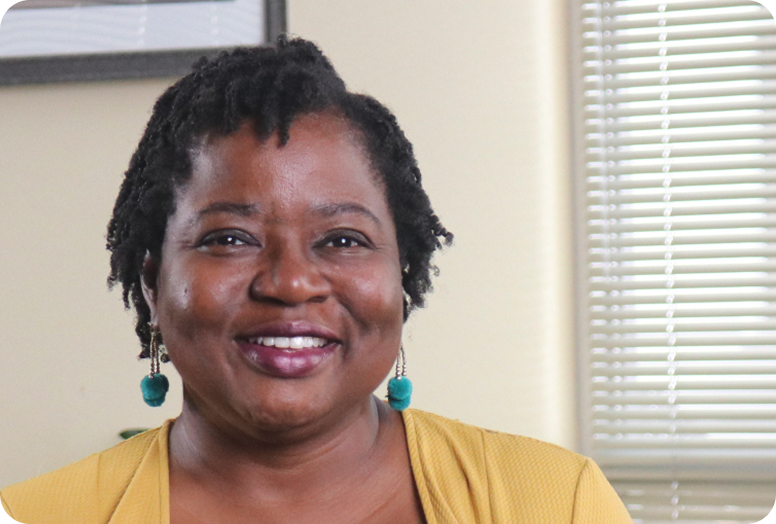
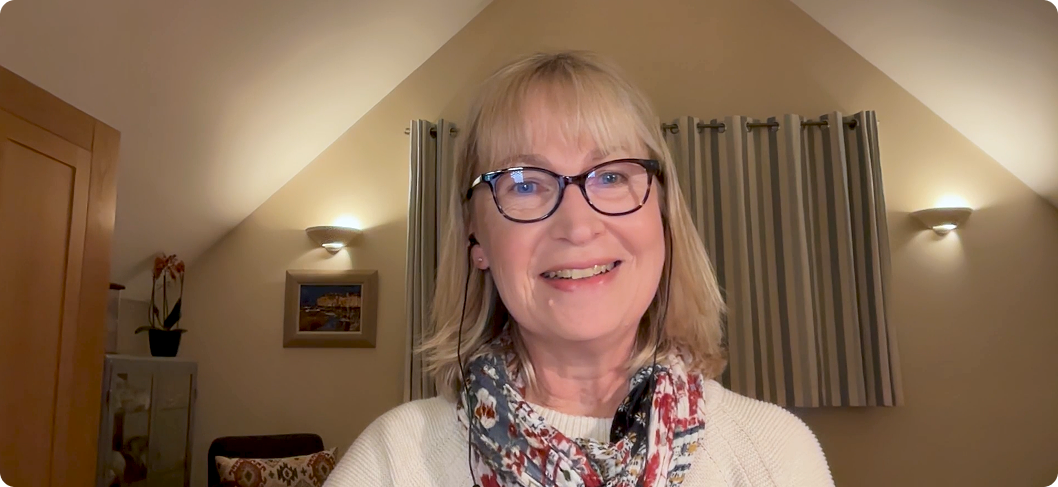
“I always say cancer treatment is a marathon. Most patients want to have a plan, and it is our responsibility to help outline it. It doesn’t have to be overwhelming, but it can be if the only time you talk about it with patients is at diagnosis.”
Dr Amina Ahmed,
Gynaecologic oncologist, RUSH MD Anderson Cancer Center
Organisations that can support you
Across the globe, dedicated organisations offer invaluable resources for patients and caregivers navigating gynaecologic cancer. You can explore some of these trusted groups below:
Enhancing the care of those affected by gynecologic cancers worldwide through education, training and public awareness.
The largest global nonprofit advancing ovarian cancer research while supporting patients and their families.
Dedicated to fighting hereditary breast and ovarian cancer, with programs providing support, education, advocacy and research.
The only global nonprofit organisation solely focused on ovarian cancer, collaborating with 200+ patient advocacy groups around the world to help improve the quality of life for every person impacted by ovarian cancer.
Funds researchers and empowers patients to overcome barriers in endometrial cancer detection, treatment and education.
Our survey1 found that:
Only about half of individuals
with gynaecologic cancer felt comfortable discussing how cancer has affected their sexual health and fertility with their care team.
Navigating sensitive topics
Changes related to gynaecologic cancer and treatments can impact body image, sexual desire and physical comfort during intimacy. You may experience changes in libido, vaginal dryness, pain or discomfort during intimacy, fatigue and difficulty with arousal or orgasm. Additionally, treatment-induced menopause can cause symptoms similar to those of natural menopause such as hot flashes, night sweats, changes in the regularity and flow of your menstrual cycle, pain during sexual intercourse, incontinence, sleep disturbances or insomnia, mood changes and impacts to fertility.
- Understand your feelings: pay attention to what triggers your emotions to better prepare for potentially challenging discussions.
- Practice with your support system: lean on loved ones, support groups or counselors to rehearse what you want to say.
- Connect with peers: seek out local support groups, mentorship programs, or listen to others’ stories to find support and information from someone who has shared similar experiences.
$Heading
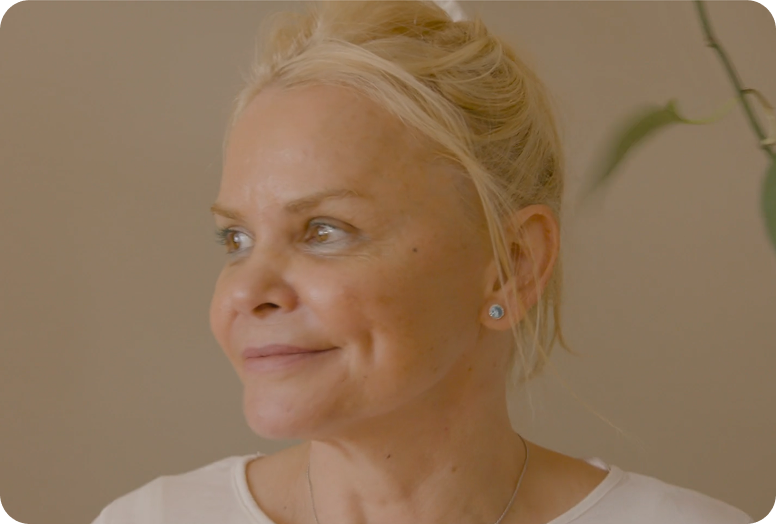
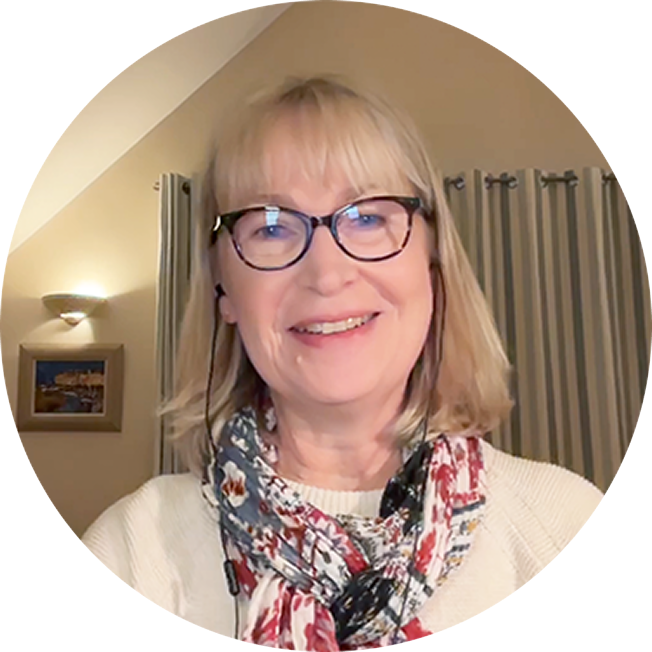
“One of the big challenges as a patient is having the time to talk about the more difficult topics. It can really help to make a list of things you’d like to discuss before your appointment, and try to speak up about anything that’s worrying you, even if it feels uncomfortable – they’ll want to know so they can support you. Bringing someone with you can also be really useful – they can help raise things you might find hard to say yourself.”
Helen White,
Patient advocate with lived experience with endometrial cancer
This downloadable guide can help you prepare and ask the right questions
$descriptionText
-
$listItems
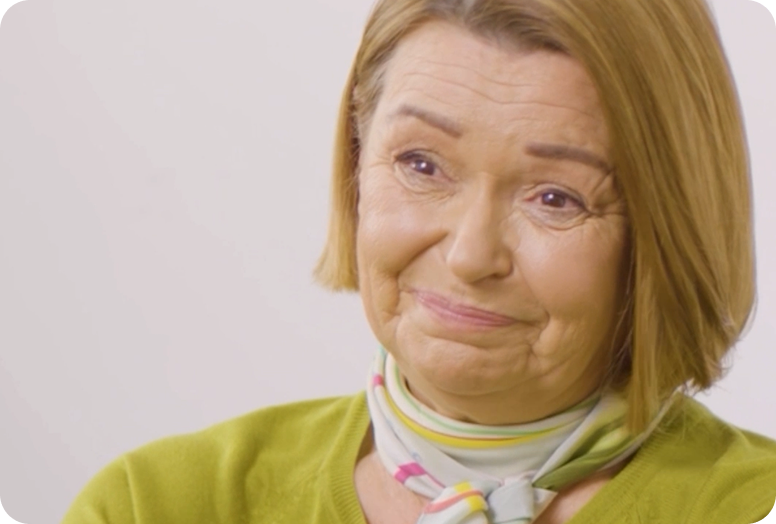
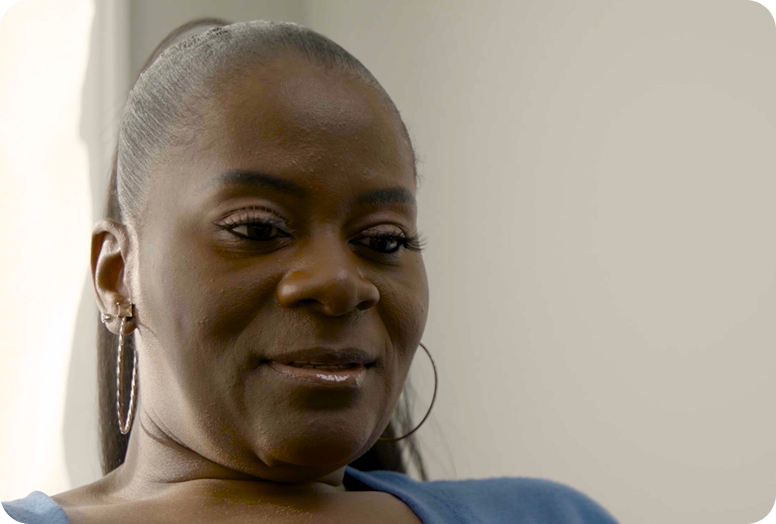
Hearing from others can be both comforting and inspiring
Listen to patients share their stories and how they’ve built strong support systems.