
Mapping Myelofibrosis
Mapping Myelofibrosis:
your trusted resource through uncertainty
Myelofibrosis can bring uncertainty and challenges. Mapping Myelofibrosis is a global initiative dedicated to helping you navigate this complex blood cancer. Our goal is to help bring clarity to your journey, offering credible, engaging information, inspiring community stories from real people and practical resources to support you at every stage.
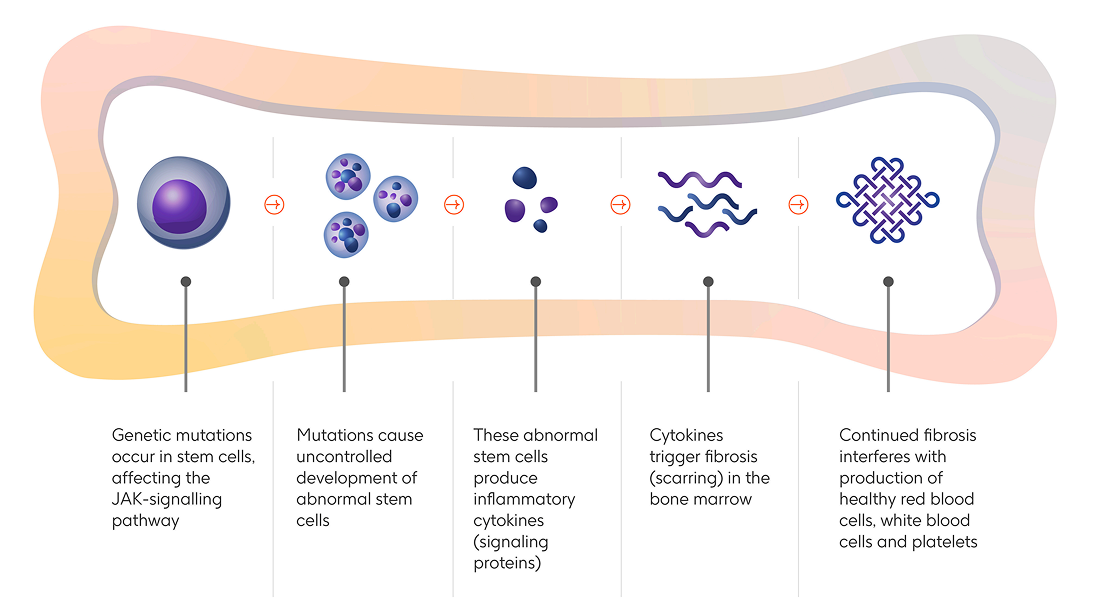
What makes myelofibrosis a cancer versus a blood disorder?
Myelofibrosis develops when a genetic mutation or a change in growth occurs in blood stem cells in the bone marrow, which makes it a cancer. While the cause of this mutation is unknown, myelofibrosis is unlikely to be inherited.

$Heading
“It’s important to use the terminology which is biologically accurate. These are cancers. There is uncontrolled growth of blood cells. It also is a term that is simple to use for friends, family members and employers. It underlines that these are severe conditions.”
Professor Claire Harrison,
World-renowned expert and professor of myeloproliferative neoplasms, and clinical director at Guy's and St. Thomas's NHS Foundation Trust
Myelofibrosis is a type of blood cancer belonging to a group known as myeloproliferative neoplasms (MPNs). There are three types of MPNs, where the bone marrow either produces too many red blood cells, white blood cells, or platelets.
3 types of MPNs:

$imageDesc
Remembering the complex terminology associated with myelofibrosis–and cancer in general–can be overwhelming and confusing.
Download this easy reference sheet that decodes these terms.
What does every day look like with myelofibrosis?
Every day can be different when you live with myelofibrosis — this is what makes myelofibrosis so uncertain. Some of the key signs and symptoms are anaemia, enlarged spleen, low platelets and other symptoms.
Each person experiences myelofibrosis differently.
The symptoms of myelofibrosis can be different for each person, which means you may not experience all of them.
Anaemia
Having a low red blood cell count is called anaemia. Nearly all patients with MF will become anaemic over time. Your doctor may call it low haemoglobin. Anaemia can cause symptoms like:
- Tiredness/fatigue
- Weakness
- Shortness of breath
- Migraines
Enlarged spleen
Your spleen acts like a filter for your blood. Having an enlarged spleen is called splenomegaly, which can cause symptoms like:
- Feeling full too fast
- Pain under the left ribs
- Severe abdominal discomfort
Low platelet count
Platelets are important to help your blood clot. Having a low platelet count is called thrombocytopenia, which can cause symptoms like:
- Bleeding easily
- Bruising easily
- Bleeding for a long time when cut
Other symptoms
Myelofibrosis can cause different symptoms because it affects the body in many ways. Other symptoms of myelofibrosis may include:
- Tiredness/fatigue
- Abdominal pain
- Itchy skin
- Night sweats
- Bone pain
- Weight loss

$Heading
“I think the biggest challenge for me is the uncertainty of what is actually going to happen next.”
Esther,
Myelofibrosis care partner
Myelofibrosis community voices
Listen to our Mapping Myelofibrosis podcast series to hear real experiences from the myelofibrosis community. We share insights into the challenges patients face along with helpful tips for patients, care partners and advocates alike.




Life beyond myelofibrosis:
real stories, shared journeys
Explore real-life perspectives from a patient, care partner and advocate about the myelofibrosis journey.

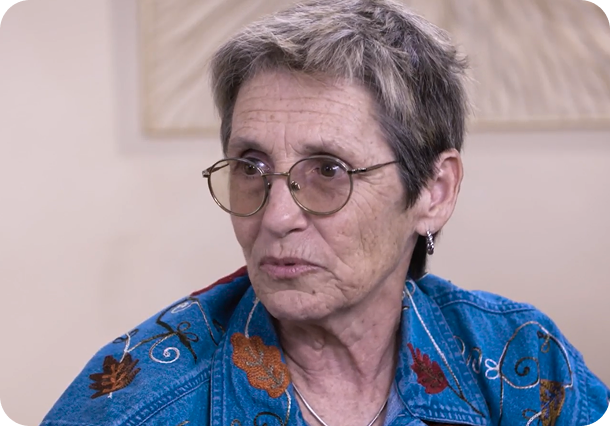


Delve into this written piece, thanks to the help from members of the community.
The story offers unique perspectives on living with myelofibrosis to support you in feeling connected to the myelofibrosis community.

Building your myelofibrosis care team
Your journey with myelofibrosis is unique, and your support system should be tailored to your experience. While it is valuable to find an MPN specialist, it is encouraged to connect with a diverse healthcare team to provide comprehensive care and address every facet of your well-being.
This can include:

Haematologist
Manage treatment, address questions and monitor all things MF

Nurse navigator
Provide education, manage symptoms, administer treatment and help you navigate your overall care

Primary care physician
Manage your general health needs and coordinate referrals to other specialists

Psychologist
Support your mental health challenges along your MF journey

Social worker
Help with practical concerns such as financial assistance, insurance navigation, transportation and more

Nutritionist
Address nutritional challenges common in MF, such as appetite loss, weight changes, early satiety and fatigue

$Heading
“For me, it was crucial to identify the correct medical professional to work with. To find an expert who will answer all of your questions fully and guide you towards the right decisions for your life.”
Thomas,
Person living with myelofibrosis

$imageDesc
Since myelofibrosis is a complex cancer, it is important to ask the right questions and to seek an MPN specialist who understands the disease and can help patients manage care.
Download these discussion guides to help kick off these conversations with your HCP.
MPN advocacy groups
There is so much more to explore when it comes to managing your myelofibrosis, including joining the global community of advocates. Connect with organisations who are driving advancements in research, providing ongoing education, supporting long-term care and building stronger global communities.
Organisations that can support you
Unites and empowers individuals impacted by blood cancers through comprehensive support, resources and advocacy.
Funds and advances research in pursuit of new treatments for MPNs.
Provides educational programmes, support and resources for patients, caregivers and healthcare teams to improve understanding of MPNs.

$Heading
“You know the term it takes a village, it's truly, truly accurate in the MPN community.”
Ann Brazeau,
CEO of MPN Advocacy & Education International